

Macro backdrop remains supportive for stronger US dollar
USD: Higher energy prices reinforcing upward pressure on US yields & dollar
It has been a quiet start to the week for G10 currencies with the US dollar continuing to trade close to year-to-date highs. After rising back above the 101.00-level last week, the next important resistance level for the dollar index is provided by the high from 24th June at 101.80. One of the biggest movers overnight has been the price of oil which has risen back up towards recent highs at around USD110/barrel. It reflects some disappointment over the lack of progress towards a deal to end the US-Iran conflict and re-open the Strait of Hormuz. Bloomberg has reported over the weekend that Iran is sticking to its seven-day proposal for re-opening the Strait and won’t soften its conditions. While US President Trump has sent mixed signals about his willingness to reach a deal. He told Axios that he expects negotiations to resume this week even though he rejected Iran’s latest proposals. US and Iranian negotiators have reportedly been exploring a deal that would see Tehran reopen the Strait and Washington lift the blockade of Iranian ports. At the same time, Saudi Arabi’s capital came up attack from Houthi militants in Yemen on Saturday. Saudi-backed coalition forces in Yemen said air defences intercepted two drones launched by the Houthis toward Riyadh.
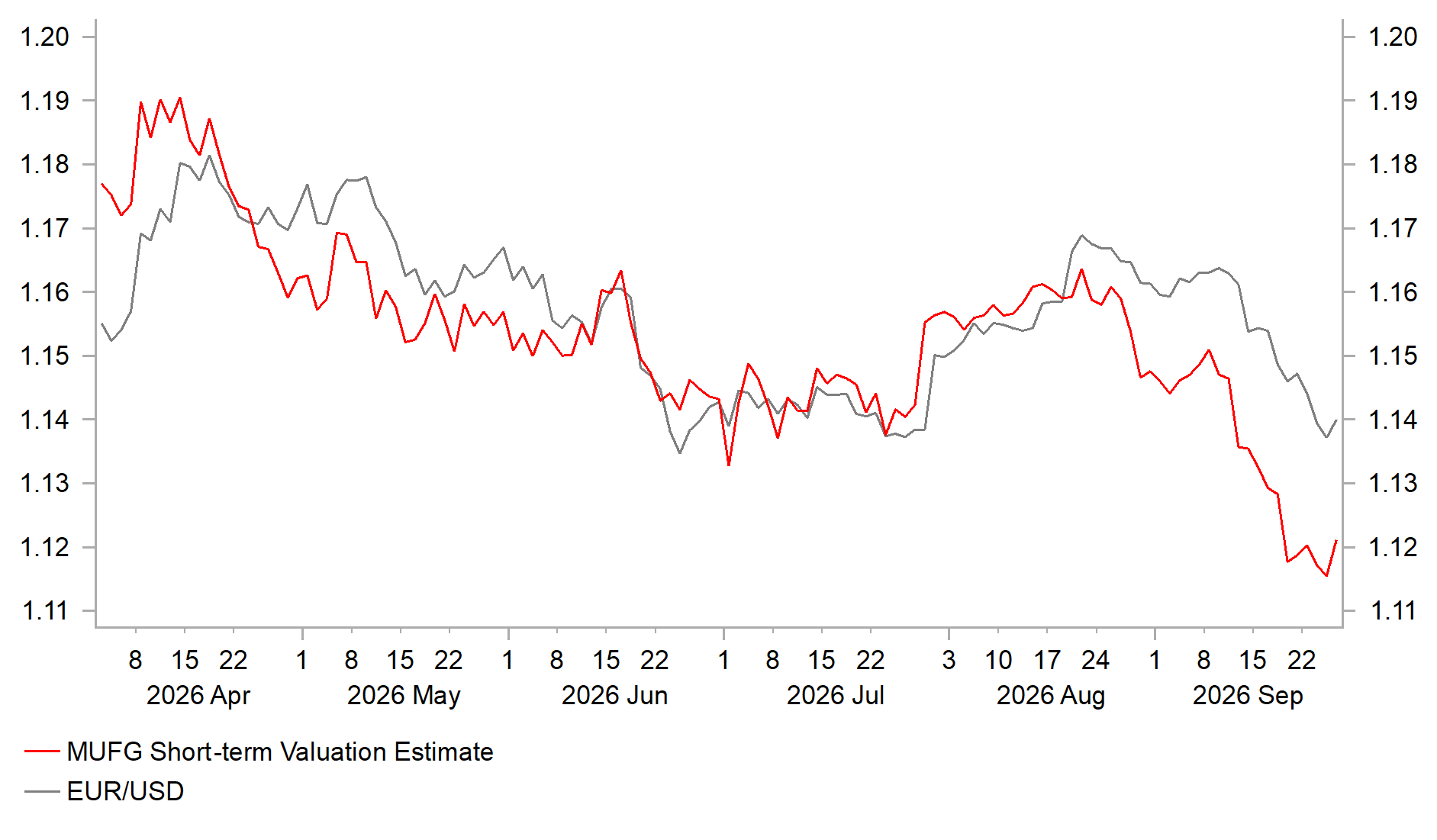
Higher energy prices for longer have been a key driver of the sell-off in global bond markets since the summer, with the major central banks including the Fed no longer willing to look through the energy price shock. After delivering their first hike this month, the US rate market now expects the Fed to deliver almost another 100bps of rate hikes in the year ahead which is reinforcing support for the US dollar from the positive terms of trade shock for the US economy from higher energy prices. The release of stronger US economic data over the past week has added to the impression the US economy is better able to withstand higher interest rates as well. On the other hand, US Treasury Secretary Scott Bessent has urged the Fed over the weekend to keep an “open mind” on the US inflation outlook. He stated that Fed Chair Kevin Warsh is “well aware” that the US economy is seeing gains similar to “if not more substantial” than when Alan Green Greenspan was Fed chair during the 1990’s internet boom. He noted that Alan Greenspan had “let things run” and the Fed should have an open mind because, again, it’s the deregulatory aspect. However, recent hawkish comments from Fed officials have indicated that they are not currently attaching a lot of weight to the potentially disinflationary impact from AI-related productivity gains when setting policy. The current backdrop is supportive of the US dollar remaining stronger for longer.
HIGHER ENERGY PRICES & US YIELDS ENCOURAGING STRONGER USD
Source: MUFG Research, Macrobond, Bloomberg
JPY: Intervention risk & BoJ rate hike speculation providing support
The yen has been holding up better against the US dollar than other major currencies recently mainly reflecting the heightened risk of further intervention to support the yen. Media reports at the end of last week stated that US President Trump voiced concern about yen weakness when meeting Japanese policymakers which has reinforced expectations that they remain under pressure to help cap further upside for USD/JPY. The pair has been consolidating between 155.00 and 160.00 since joint US-Japan intervention at the end of July. Over that time period the yen has been one of the best performing G10 currencies alongside the Australian and US dollars.
At the same time, the yen is deriving more support from building expectations for faster BoJ rate hikes. The 2-year JGB yield has jumped higher since late last week and moved within touching distance of 2.00% overnight. Market participants now expect the BoJ to deliver 3-4 more hikes in the year ahead. The probability of a back-to-back hike as soon as next month has also been moving up closer a 50:50 call. While we think another hike so soon remains unlikely, former BoJ executive director Kazuo Momma told Bloomberg that there’s a “reasonable chance that the BoJ could raise rates at consecutive meetings”. He attaches around a “20 to 30%” probability of a hike next month. Still, he believes the “basic pace will probably be once every three months” which is in line with our own forecast for another hike before the end of this year at the December policy meeting. The release overnight of the latest BoJ minutes from the July meeting also sent a hawkish signal backing up the shift to a faster pace of tightening which is currently underway although they are more dated than normal given developments over the summer.
KEY RELEASES AND EVENTS
Country | BST | Indicator/Event | Period | Consensus | Previous | Mkt Moving |
GB | 11:00 | MPC Member Ramsden Speaks | - | - | - | !! |
US | 13:15 | FOMC Member Bowman Speaks | - | - | - | !! |
EU | 14:30 | ECB President Lagarde Speaks | - | - | - | !! |
US | 18:25 | Fed Governor Cook Speaks | - | - | - | ! |
US | 18:30 | FOMC Member Barkin Speaks | - | - | - | ! |
Source: Bloomberg & Investing.com